
Print it, keep it · Toronto, GTA & Hamilton
Before You Renovate an Older Home in Toronto: The Checklist
A one-page list for anyone about to open the walls, ceiling or floor of a house built before the 1990s. Work through it before the first cut, and send us the answers if you would like a second pair of eyes on it.
- Assessment free when you go ahead
- Lab tested
- WSIB covered
- Fully insured
Why the list starts with testing.
In a house built before the 1990s, ceiling texture, floor tile and the glue under it, plaster, joint compound, pipe and duct wrap and attic insulation can contain asbestos. You cannot tell by looking, so until a lab says otherwise the material is treated as if it does.
Asbestos is a risk when the material is disturbed, not while it sits intact. The expensive mistakes are made in the first hour of a renovation: a sander, a scraper or a demolition bar on a material nobody tested.
Mould follows moisture. Opening a wall on a house that has had a leak, a flood or a bath fan venting into the attic often finds it, and it is cheaper to know before the new drywall goes up.
How it works
The checklist.
Write down the age of the house
The year it was built, and the year of any addition or earlier renovation. Anything built or finished before the 1990s is treated as untested until a lab says otherwise.
List what you plan to open or remove
Ceilings, walls, floors, the attic, ducts, pipes, a chimney or a stucco exterior. Each material is a separate question and gets its own sample.
Do not sand, scrape, drill or break it first
Leave suspect material alone until it is tested. Turn off forced-air heating and cooling in the work area, keep children and pets out, and do not sweep or vacuum dust with a household vacuum.
Test before the work, with a lab report you keep
A sample collected properly and analysed by an accredited lab, and the written result in your hands. Give a copy to every trade who will be in the house.
Look for moisture and mould behind what you are opening
Stains, a musty smell, bubbled paint, a leak or flood in the house's history. Photograph it before anything is moved.
Ask every contractor how waste will be handled
Who removes it, how it is bagged and where it goes. If the answer is vague, find out why before you sign.
Get the plan in writing
What is being tested, what is being removed, what is staying and the order the trades arrive. A written plan protects the people doing the work and you.
$295 for the on-site assessment, and it comes off the price of the work when you go ahead with us. Conditions apply: the work has to come to $2,500 or more, and the deposit has to be paid within 30 days of approval. If the material tests clean there is nothing to remove, so the assessment stands on its own — which is usually the cheapest result there is. Laboratory charges are separate either way, because the lab invoices us whether or not the work goes ahead.
On the job
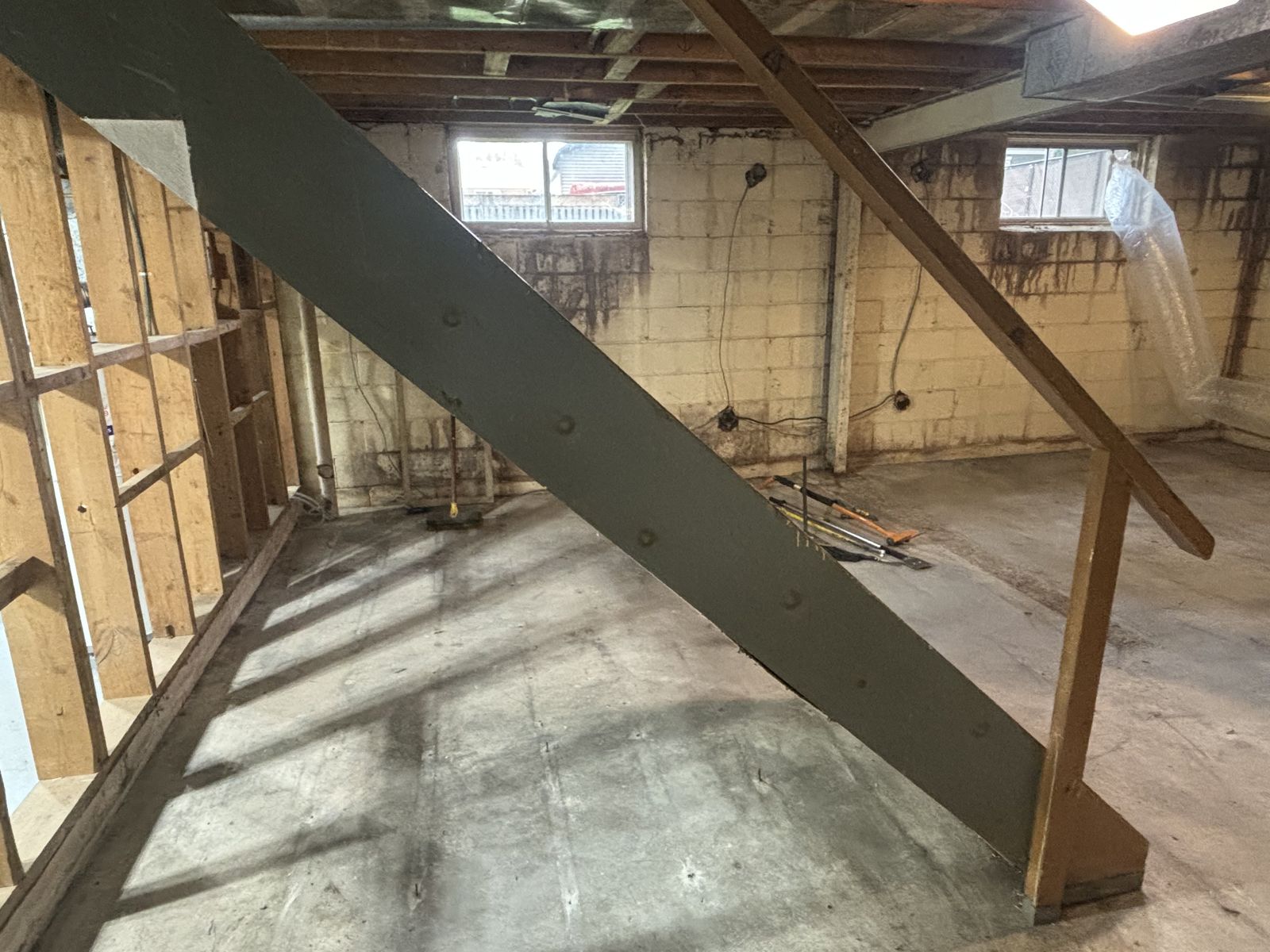
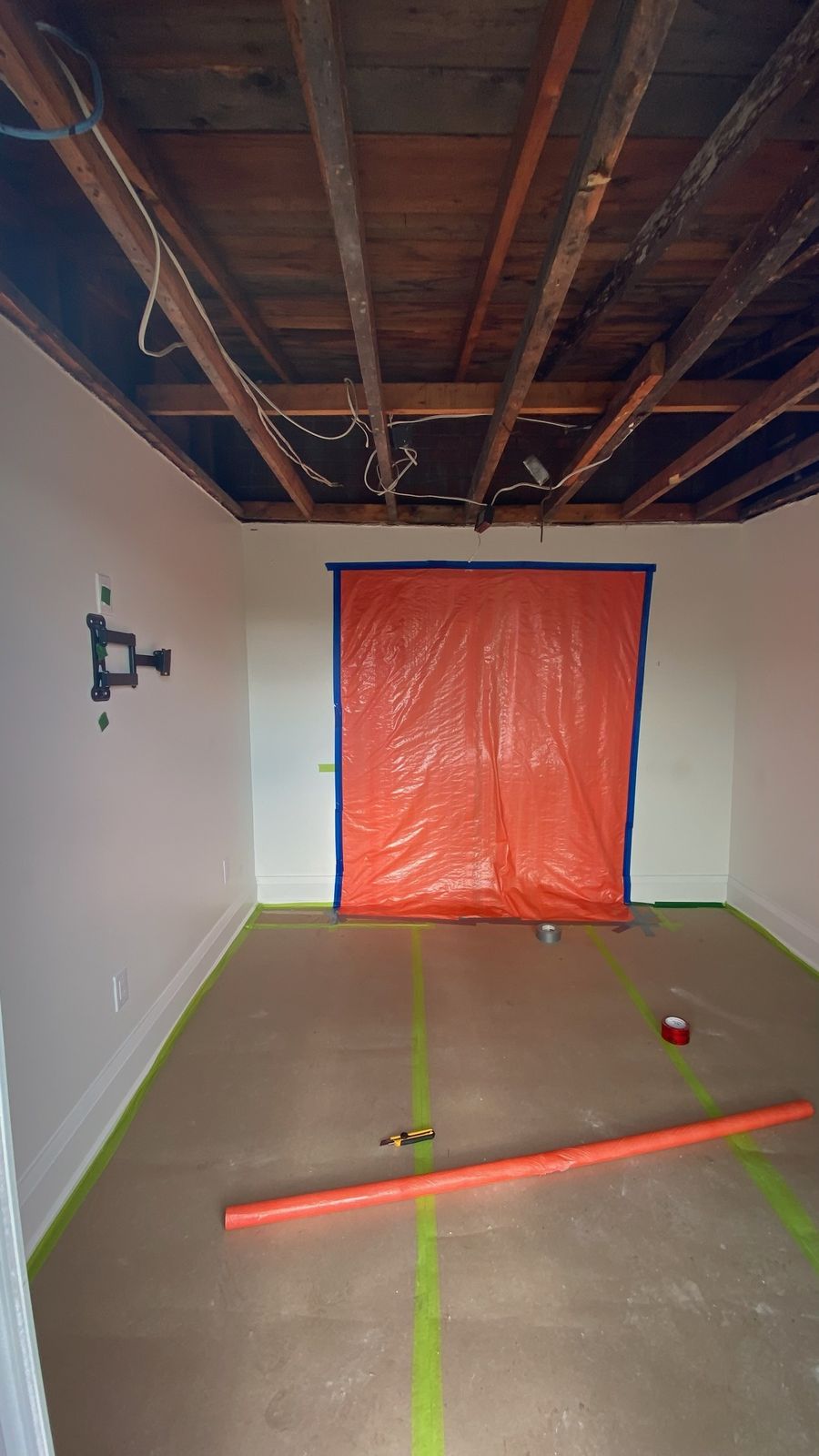
Our own work, as it was.
Questions
What people ask us.
Do I need testing before a renovation?
If the house is old enough to contain asbestos-containing materials and you plan to disturb walls, ceilings, flooring or insulation, testing the affected materials first is the safe order of work. Only a lab can say what a material is.
Can I take a sample myself?
Disturbing a material to take a sample can release fibres if it does contain asbestos, so the sample should be collected with the right precautions. If you are unsure, ask us how it is done before you start.
What if the result is negative?
Then that material can be treated as ordinary demolition waste and the renovation carries on. Keep the report, because the next trade and the next owner will ask for it.
What if the result is positive?
The material is removed under controlled conditions before the renovation continues, by people trained and equipped for it. Nothing is removed until there is a scoped plan, and the plan is in writing.
Does the checklist cover mould?
It asks you to look for the moisture that mould follows. If you find it, the cause is fixed as part of the job, because removing mould without fixing the water only brings it back.
Related
Vermiculite
Loose grey-brown attic insulation, tested first and removed under containment.
Popcorn and stucco ceilings
The ceiling texture from the same era, with the same question.
Service area
Where we work.
- Toronto
- Etobicoke
- Scarborough
- North York
- Mississauga
- Brampton
- Vaughan
- Markham
- Richmond Hill
- Oakville
- Burlington
- Hamilton
Answering now
Tell us the age of the house and what you plan to open.
A phone call settles most of it: what the house is made of, what has been tested, and what to do first.
Call 416-474-3978